
Surf Lifesaving
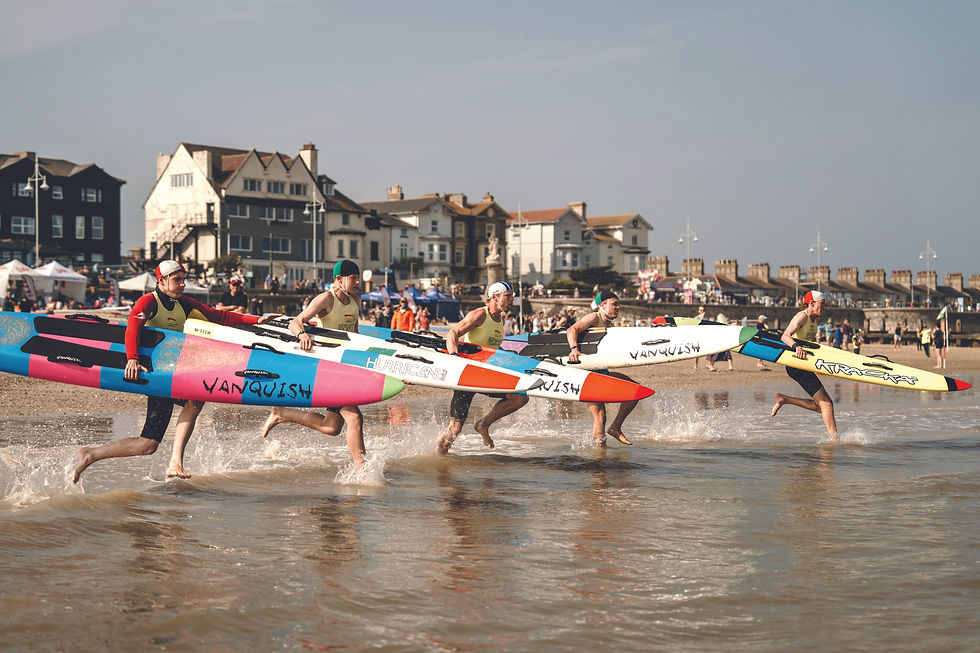


Inspired by the surf lifesaving culture of the Southern Hemisphere, the UK has its own network of clubs offering a unique opportunity for people of all ages to stay active, develop essential skills and contribute to making our coastline a safer place. This multi-faceted social movement comprises key aspects of voluntary lifeguard services and competitive sport, abd began on the beaches of Sydney in the early 1900s. Australian Allan Kennedy is credited as being the man who brought this not-for-profit community to Great Britain and it now has clubs around the coastline, including on the East Coast where the North Sea’s strong tides, unpredictable weather and extensive stretches of unpatrolled beaches make local knowledge and training essential for safety.
North Norfolk Surf Club operates year- round from its clubhouse on the seafront promenade in Cromer. The club (www.nnslsc.org.uk) offers training for all ages and hosts monthly Ocean-Man events that include a swim, a run and a board paddle. In another of Norfolk’s key tourist hotspots, Mundesley Surf Life Saving Club (www.mundesleyslsc.co.uk) meets near the resort’s Inshore Lifeboat Station. With a growing membership, it continues to support the local lifeguard service, ensuring that Mundesley’s beach remains a safe place for visitors throughout the year. In Essex, Redcaps SLSC started out as an open water swimming club based at Chalkwell Esplanade and very much at the heart of the boom in local sea swimming. You can read more about the club, its swimming locations and surf lifesaving courses on its Facebook page.
The UK's most easterly club of its kind, Waveney Surf Life Saving Club (www.waveneyslsc.org) runs regular training for all ages and abilities at Lowestoft’s South Beach. Like its sister-clubs around the UK, it plays a pivotal role in making our coastline a safer place for everyone, as anyone wishing to become an RNLI lifeguard must first obtain the SLSGB Beach Lifeguard qualification.
Qualified Coaches deliver this course annually, with participants undergoing rigorous training in first aid, sea rescue techniques and working practices, ensuring they meet the high standards required by the RNLI. There’s also a structured Nipper Lifesaver Pathway for children aged 7-13, teaching them essential beach safety skills while keeping sessions fun and engaging. Young members work their way through Bronze, Silver, and Gold awards, learning skills such as sea swimming, board paddling, and beach sprinting. Training is not just about safety—it also fosters a competitive spirit, with many members going on to compete in regional and national surf lifesaving events.
New members are always welcomed at the local surf lifesaving clubs, though some age categories may have waiting lists. To find out more make contact through the websites – taster membership allows newcomers to try training sessions for free.
As always, everyone heading to the coast is reminded to:
• Swim at a lifeguarded beach and always between the flags.
• If in trouble, float on your back.
• Call 999 and ask for the Coastguard if you see someone in difficulty.